Arcondec editorial · 13 / 10 / 2026
Data centre fires and outages: 20 in 2025
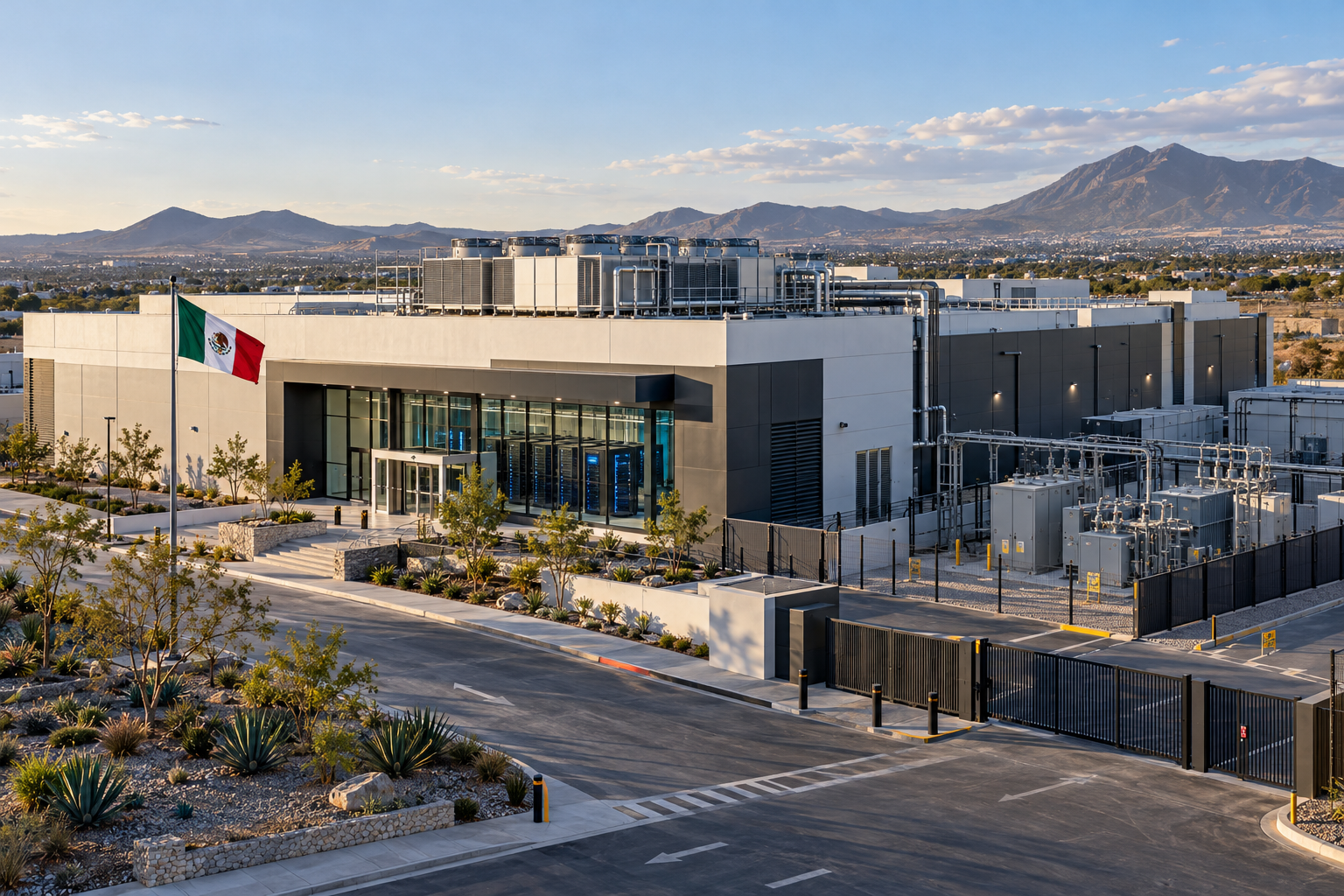
A public register counted 20 data centre fires or power failures in 2025 and 19 in 2026, compared with 8 in 2024.
Fires and power failures at data centres rose from 8 in 2024 to 20 in 2025 and total 19 so far in 2026, according to DatacenterDynamics on 12 October 2026, citing the Energy Incident Register, an independently run public register of safety incidents in energy and grid infrastructure. The register lists 93 incidents between 2010 and 2026 across 26 countries, compiled from public reporting. The United States accounts for 33 cases and the United Kingdom for 14.
UPS, batteries and generators at the centre
Of the 93 cases, 52 were fires or thermal events, 18 of them classed as major. The most common origin was UPS systems and battery rooms, with 22 cases; backup generators accounted for 15, and in 53 the reports do not name the equipment. These are the systems meant to carry the load when the grid fails, which points to where testing, inspection and replacement should be concentrated.
Editorial analysis
Backup can also be the point of failure
This is an editorial reading of the data, not an analysis by the register. UPS units, batteries and generators exist to cover a grid failure, but they can also cause one. An ageing battery string, a room running outside its temperature range or a generator only ever tested off-load reach the day of an outage with nobody sure how they will respond. That is why their maintenance is planned with the same rigour as the original design.
Criteria for organising maintenance
Without claiming to be a manual, there are practical criteria that help organise the review. Know the age and history of each battery string and measure its condition periodically, not only when it fails. Monitor ventilation and temperature in the rooms that house them. Test generators under real load and confirm that transfers operate as designed. And document every finding so that trends become visible, not just isolated events.
What progress is worth following
The register is compiled from public reporting, so the increase may also reflect that more is reported today than before. It is worth following whether the Energy Incident Register expands its breakdown by cause, whether it identifies the equipment in the 53 cases that lack it and whether it begins to record incidents in Latin America. In Mexico, it is worth watching whether operators publish availability and incident indicators for their facilities.
Source / access date: 2026-10-12