Why does it cost more to build in Monterrey?
According to the consultancy, cost per watt rises when skilled workers and suppliers are scarce and when contractors add a risk premium for possible delays: 81% of respondents reported moderate or high constraints on skilled labour. For engineering, the reading is clear: a large share of the cost lies in electrical and mechanical equipment and in schedule uncertainty, and both can be controlled from the design stage.
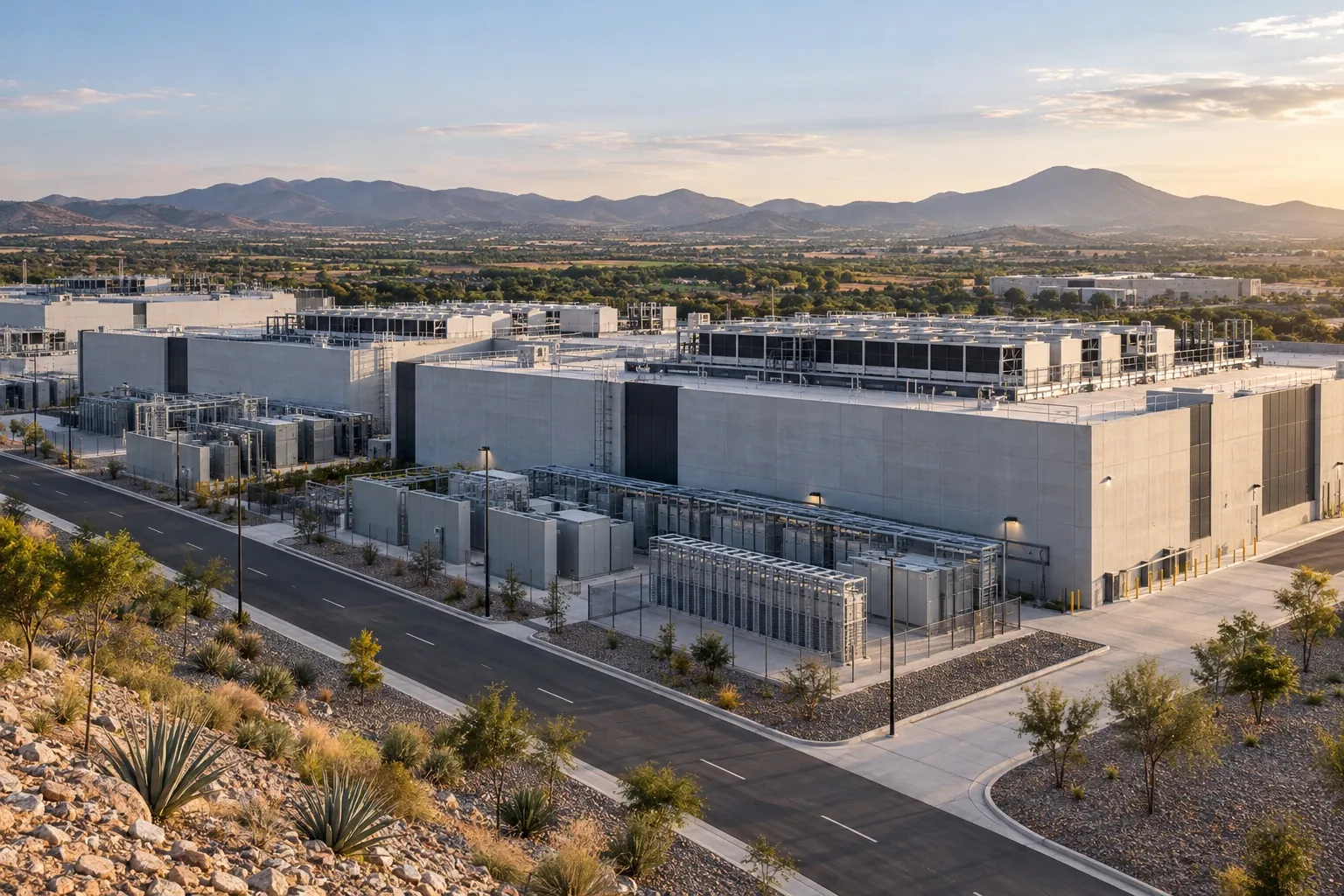
On 9 November 2026, El Economista reported, based on Turner & Townsend’s Data Centre Construction Cost Index 2026-2027, that building a 60 MW data centre in Monterrey costs 12.41 US dollars per watt, about 744.6 million dollars, compared with 10.51 dollars per watt in Dallas: an 18% difference, roughly 114 million dollars. Monterrey enters the index for the first time, ranked 23rd of 62 markets ordered from most to least expensive, and Querétaro is 32nd at 11.49 dollars per watt. The index draws on more than 500 projects and models a large, single-tenant, air-cooled facility.
What cost per watt includes and what it leaves out
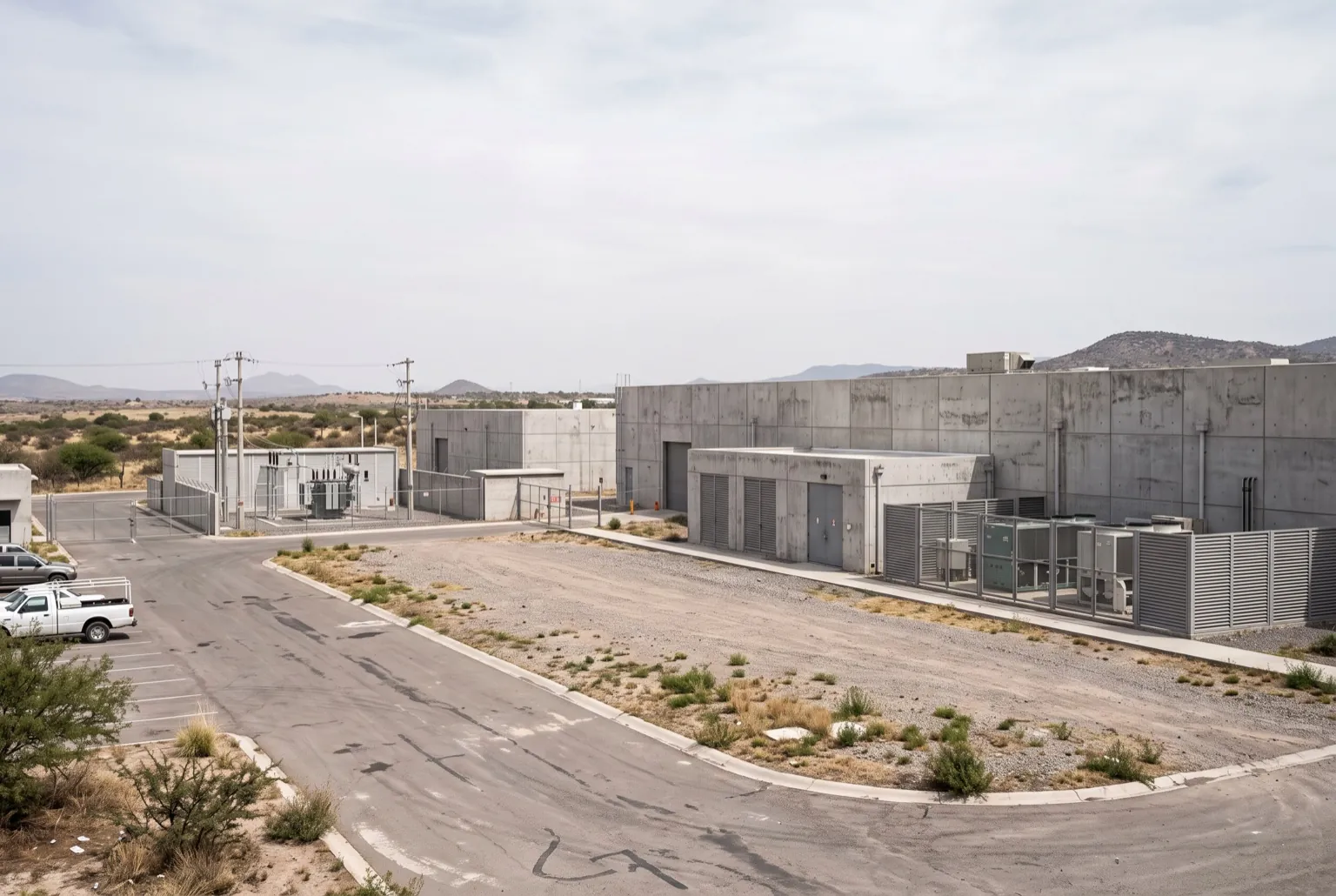
The index covers the building and the electrical and mechanical equipment, and excludes land, servers and utility access works. That exclusion matters in Mexico: according to the report, developers fund part of the power infrastructure, and the Mexican Data Center Association (MEXDC) estimated in April private investment of about 340 million dollars, mostly in the Bajío region, for substations and transmission.
In Arcondec’s view, any budget comparison should add the substation, the interconnection line and critical backup to the building’s cost per watt. Without that line item, a project can look competitive on paper and grow on site.
AI and grid connection push the budget up
Turner & Townsend estimates that in the United States an AI-ready facility costs about 10% more than a traditional one, because liquid cooling and higher-power equipment change the design. In its survey, 32% said obtaining a grid connection takes more than two years and 42% use or are evaluating alternative energy sources.
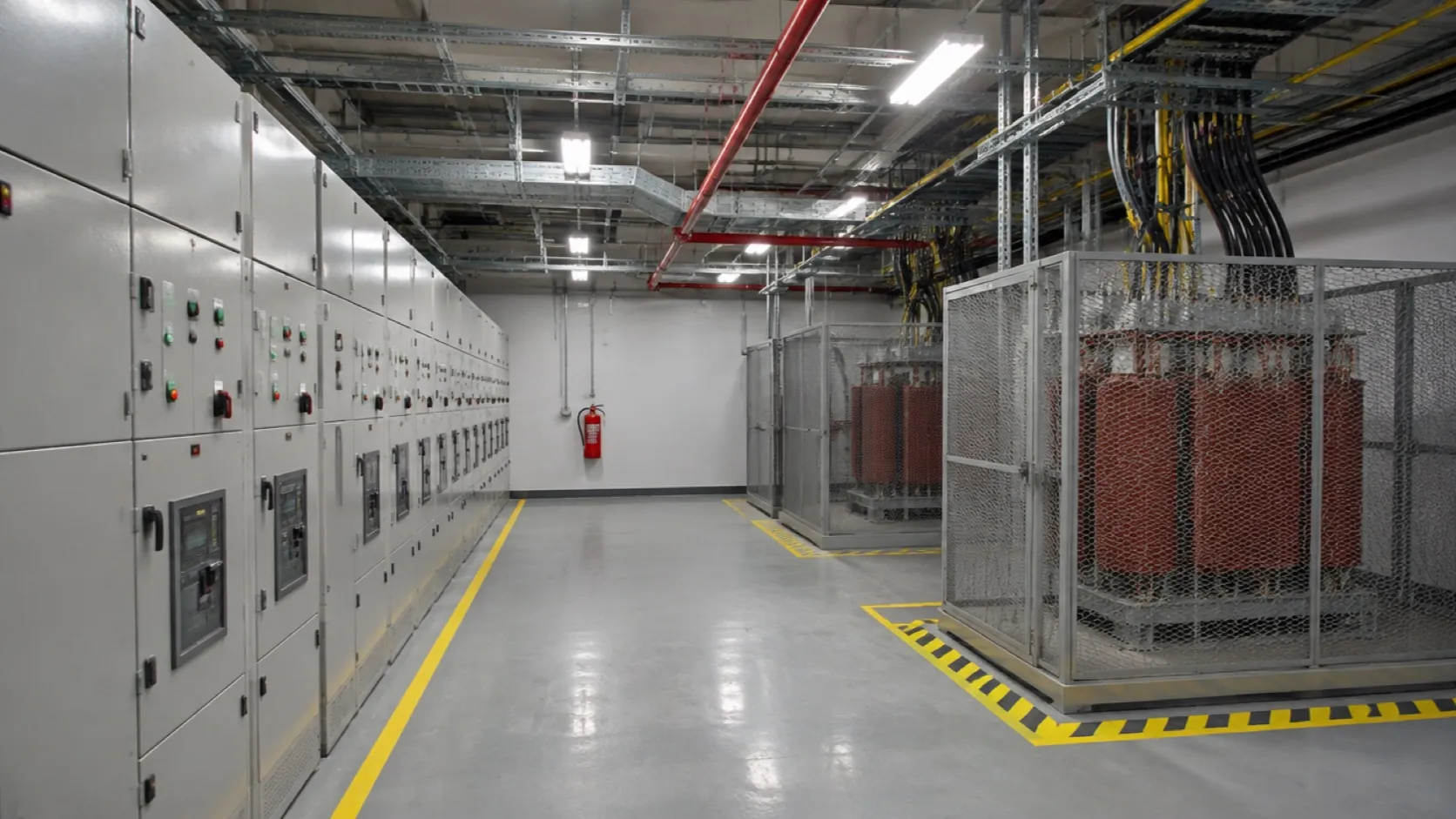
For power engineering, higher rack density means higher-capacity busways, larger UPS blocks and more demanding protection coordination. Defining that architecture before tendering avoids redesigns that are paid for twice.
How EPC protects the budget
The risk premium contractors mention falls when the schedule is credible. A turnkey EPC with single technical accountability orders long-lead equipment on time, standardises repeatable electrical blocks and plans levelled commissioning that avoids rework at the end of construction.
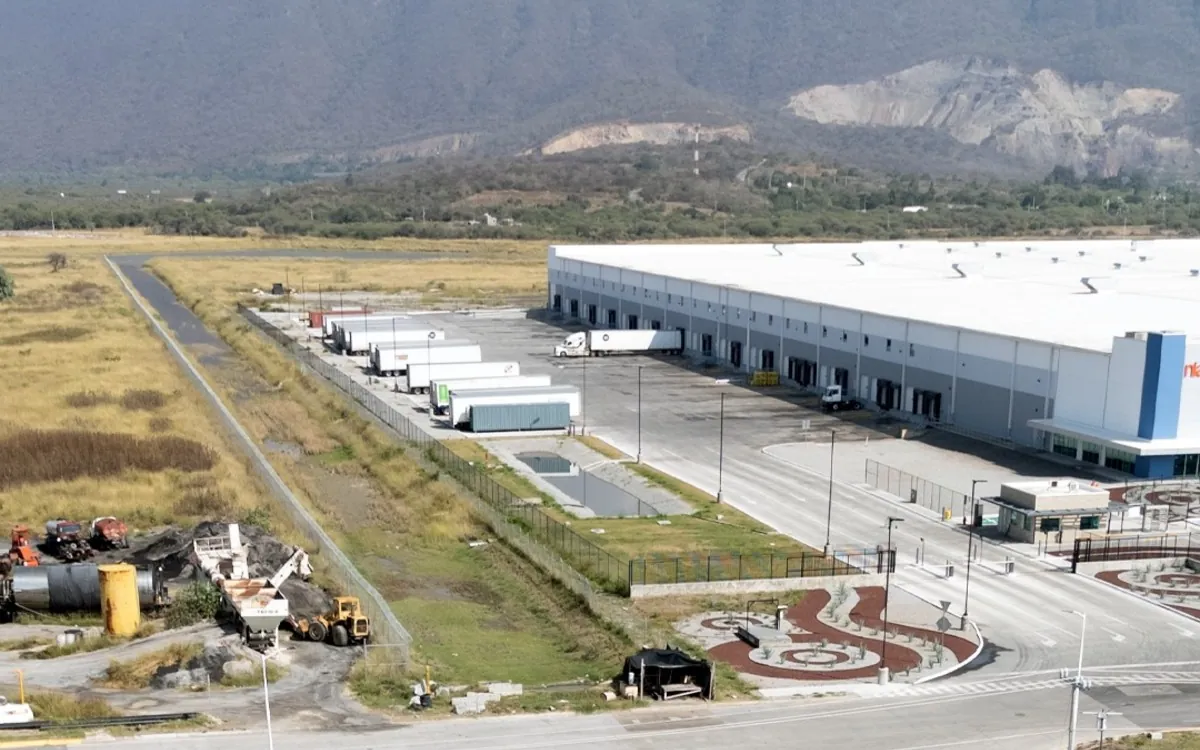
Monterrey also has an advantage the index does not measure: an industrial base experienced in substations, medium voltage and electromechanical works. Making the most of it requires integrating power engineering, equipment procurement and commissioning into a single plan from the start, with measurable milestones and one technical owner for each critical system.
Grupo Arcondec services
Early procurement of electrical equipment
Transformers, medium-voltage switchgear and standby generators usually set the critical path. In Arcondec’s view, fixing their specifications in basic engineering allows orders to be placed on time and reduces the uncertainty contractors charge as a risk premium. It also allows supplier bids to be compared against the same specification and delivery dates to be negotiated before civil works need them.
High-availability power design from the outset
The redundancy topology, N+1 or 2N, determines how many transformers, UPS units and generators the project needs. Deciding it against the real load density, including AI loads, avoids oversizing or falling short and protects cost per watt. Each topology decision is documented in basic engineering so that later operations know the design criteria.
24/7 O&M as part of total cost
Construction cost is only the beginning. An operation and maintenance plan designed alongside the EPC, with predictive maintenance and battery and generator testing, sustains the committed availability and protects the investment over the site’s service life. That plan includes critical spares, operating procedures and an on-call team that has known the site since commissioning.
Cost of building a data centre by market (2026-2027 index)
| Market | USD per watt | Rank in the index (of 62) |
|---|---|---|
| Silicon Valley | 15.01 | Not stated in the report |
| Monterrey | 12.41 | 23 |
| Northern Virginia | 11.80 | Not stated in the report |
| Querétaro | 11.49 | 32 |
| Dallas | 10.51 | 47 |
| Bogotá | 9.13 | Not stated in the report |
Source: El Economista, 9 November 2026, with data from Turner & Townsend’s Data Centre Construction Cost Index 2026-2027. Includes building and electrical and mechanical equipment; excludes land, servers and utility access works. These are the consultancy’s figures, not Arcondec’s.
Technical questions
How much does it cost to build a data centre in Monterrey?
About 12.41 US dollars per watt for a 60 MW model data centre, roughly 744.6 million dollars, according to Turner & Townsend’s 2026-2027 index as cited by El Economista. That is 18% more than Dallas and excludes land, servers and utility access works.
What does a data centre’s cost per watt include?
The building and the electrical and mechanical equipment, according to the index methodology. Land, servers and utility access works are excluded, so in Mexico the substation, interconnection and critical backup should be added separately to compare real budgets.
Why does an AI data centre cost more?
Because liquid cooling and higher-power equipment change the design. Turner & Townsend estimates that in the United States an AI-ready facility costs about 10% more than a traditional one; on the electrical side it means higher-capacity busways, UPS and protection.
How can cost-overrun risk in construction be reduced?
With a credible schedule from basic engineering onwards: early procurement of transformers, switchgear and generators, standardised electrical blocks and levelled commissioning. This reduces the risk premium contractors add for possible delays and avoids rework at the end of construction.
Source / access date: 2026-11-09