Arcondec editorial · 15 / 10 / 2026
Data centres: grid connections need works
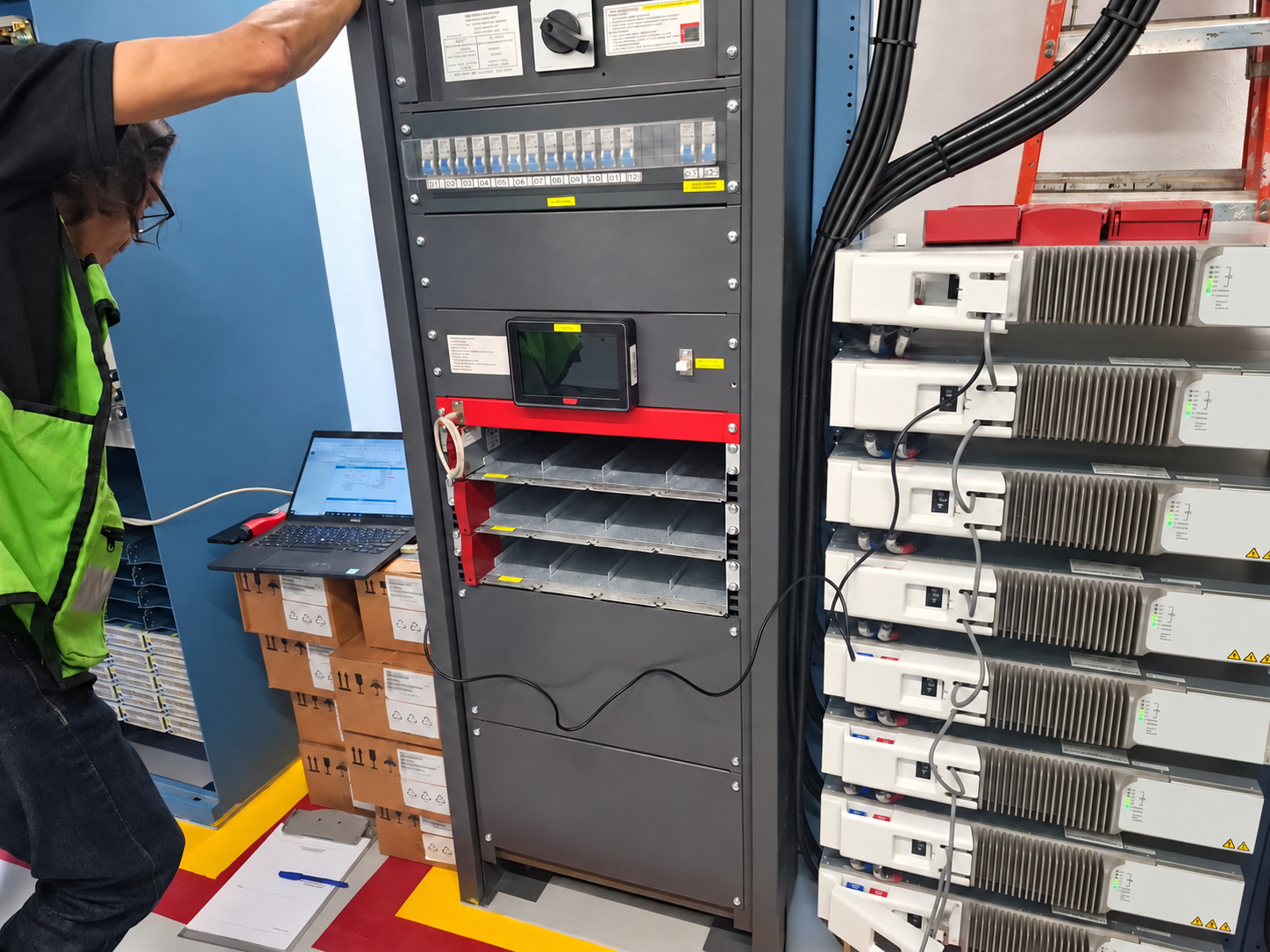
Banamex’s report highlights grid reinforcements. Power connections also require coordination across engineering, construction and commissioning.
Banamex expects the power required by computing equipment in Mexican data centres to rise from 279 MW to around 1,730 MW in 2031, Forbes México reported with information from EFE on 14 October 2026. The figure provides context for assessing development programmes for new facilities. It is a demand projection rather than additional capacity that has already been commissioned and placed into operation.
The connection point also needs construction
According to Banamex, cited by Forbes, CENACE acknowledges delays that complicate connections without grid reinforcements funded by project developers. From a developer’s perspective, this raises a scope question: the opening date should account for both the building and the works needed to receive power. Each project needs to establish these dependencies using information specific to its proposed connection and development programme.
Editorial analysis
Define the scope beyond the building
This is Arcondec’s editorial interpretation, not a description of CENACE’s works or requirements for any particular project. A feasibility review can distinguish the internal installation from the infrastructure required to supply it. A scope matrix helps identify the developer’s responsibilities, dependencies on other parties and information still outstanding before an operational start date is committed. These distinctions can also support clearer discussions between project owners and their engineering teams.
Coordinate interfaces before construction
When a connection includes external works, interfaces between disciplines become important programme dependencies. Substations, lines, protection systems and communications may involve different responsibilities and sequences. As a planning principle, these dependencies should be visible in the overall programme and engineering documentation. This consideration does not assume that all data centres require identical works: the scope depends on the particular conditions of each site and its proposed connection.
Which milestones are worth following
Editorial coverage should distinguish announcements, studies, construction and commissioning. Documented milestones are more useful for assessing a facility’s progress than an aggregate investment figure: a defined connection scope, identified delivery responsibilities, available equipment and completed tests. Projected demand provides market context; evidence from each development helps assess when that expectation could become usable capacity. Keeping these stages distinct also makes subsequent updates easier to compare without presenting forecasts as completed infrastructure.
Source / access date: 2026-10-14